

The Overture keyword research tool was one of the best tools available in the early 2000s. It played a crucial role in helping digital marketers identify high-quality keywords to enhance their on-page SEO strategies. Developed by GoTo.com—a pioneering Digital Marketing and Advertising Agency—this tool marked a major step forward in the digital landscape.
GoTo.com was also the first to introduce the concept of Pay-Per-Click advertisements. Later, they created the Overture tool to support marketers and advertisers in crafting more effective campaigns, particularly by refining their on page SEO efforts to boost visibility and rankings.
What Was the Overture Keyword Tool, Exactly?
Before it became known for Pay-Per-Click advertising, Overture (originally GoTo.com) offered something every early SEO relied on: a free, public keyword suggestion tool. Marketers could type in a seed keyword and get back a list of related terms along with an approximate count of how many times that exact phrase had been searched the previous month.
There was no login, no paywall, and no software to install — just a search box on Overture’s website. For an industry with almost no other way to gauge search demand, this was revolutionary. It gave marketers their first real window into what people were actually typing into search engines, years before Google Keyword Planner existed.
Introduction to Keyword Overture
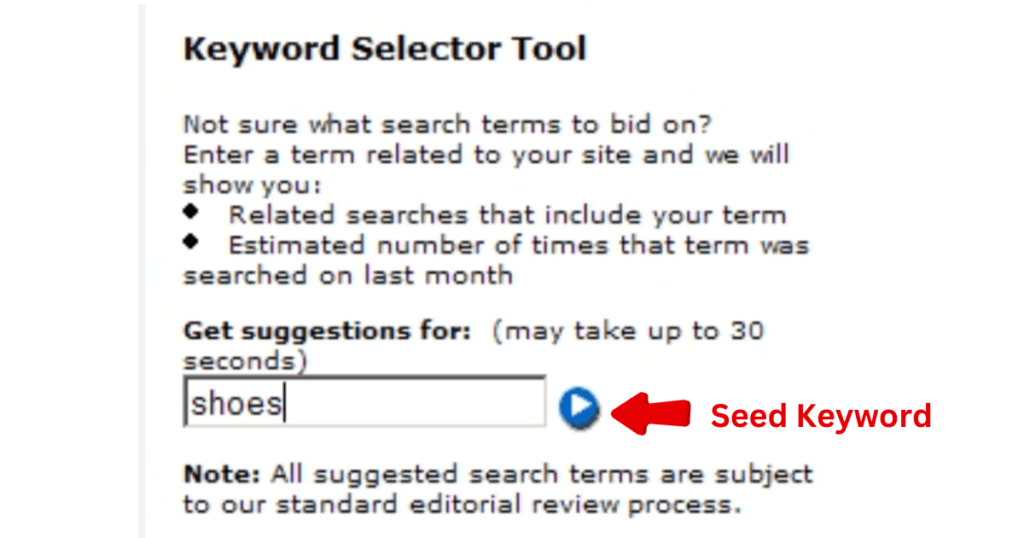
The overture tool was invented in 1998 by GoTo.com. This tool gains popularity in 1999 and 2000. It helps digital marketers understand the user intent and identify the high search volume keywords for their business.
Why Keyword Overture Was Ahead of Its Time?
Overture keyword research was ahead earlier because, at that time, digital marketing and advertising were still at their beginning as compared to nowadays.
Overture inverts Pay-Per-Click advertisements, which allow bidding for keywords and only pay when user click their ads.
The Early Days of Overture
Overture, known as GoTo.com, was the first Pay-Per-Click advertisement platform launched in 1998 by Bill Gross. He came up with the idea of showing sponsored results in the top searches of Google.
GoTo.com achieved popularity at that time because it came up with the idea that gives benefits to the advertiser to pay bid on their positions on top Search results.
The Need for Keyword Research in the Late 1990s
In 1990, keyword research became important because it helped digital marketer find out what queries and words their target audience is using that are relevant to their website, so they can use them and make their website rank in the top results.
How GoTo.com Pioneered PPC Advertising?
GoTo.com pioneered PPC advertising in 1998 to develop the field of digital marketing. This strategy allows advertisers and digital marketers to bid for ads based on specific keywords.
Who Launched Keyword Overture?
Overture keyword research tool was launched by Bill Gross in 1998. It was the first platform where you could identify organic search keywords and paid advertisement results that audiences are using to boost their online visibility.
GoTo’s Transformation into Overture Services, Inc.
GoTo.com rebranded its name into Overture Services, Inc. in 2001 to represent its power in Paid Search advertisements.
Search Engines That Partnered with Overture
Overture became quite popular in the early 2000s. Search engines that collaborate with them are Yahoo, MSN, AltaVista, and Lycos.
Yahoo’s Strategic Partnership with Overture:
Yahoo collaborated with Overture in 2000. It became an amazing strategy and brought success to both of the companies. With the help of Overture Pay-per-click advertisements, Yahoo improved its platform. With the help of sponsored listing, yahoo displays more relevant results to their audience for a better user experience.
Collaborations with MSN, AltaVista, and Lycos
By partnering with Overture, search engines like MSN, AltaVista, and Lycos earn much profit and improve their service through paid ads, as they make money from sponsorship and get to know more relevant results on specific keywords.
How Overture Worked?
Overturned used a pay-per-click method. In this method, businesses bid on specific keywords to get the top results of the search engines, and they are labeled as sponsored listings. The search engines only get paid when users click on their ads.
How Marketers Used Overture for SEO (Not Just PPC)
While Overture is best remembered for pioneering Pay-Per-Click, its free keyword tool became just as important for organic SEO. Here’s how early marketers put it to work:
- Finding search volume. Overture showed the raw number of searches for a keyword in the previous month, giving marketers their first data-backed way to prioritize which terms to target on a page.
- Discovering keyword variations. Typing in one seed keyword returned a list of closely related phrases, an early version of what “keyword expansion” tools do today.
- Shaping on-page content. Because the data was free and public, bloggers and site owners used it to decide which phrases to work into titles, headers, and body copy — one of the first real examples of data-driven on-page SEO.
- Validating niche ideas. Marketers building entire sites around a topic used Overture’s numbers to check whether a niche had enough search demand before investing time in content.
This dual use — powering paid bidding and free organic research — is why Overture is remembered as a genuine turning point for SEO, not just for advertising.
Overture’s Financial Success
Overture was a huge success with the help of Pay-Per-Click. This technique brings a big change in digital marketing and provides many benefits to search engines.
Revenue Growth and Earnings at Their Peak
Pay-per-click grabs the attention of a lot of businesses. They pay a lot to get on the top search results. With the help of Pay-per-click services, Overture built a strong reputation in advertising, and in 2003, Yahoo bought Overture for $1.63 billion. It represents how Overture was necessary for the advertising industry.
The Downfall of Keyword Overture
Overture’s downfall began, then competition became high, and Google introduced its page rank algorithm. Google only ranks pages on top that have more accurate and relevant information for the audience. In 2003 when, Yahoo bought Overture, thinking it might compete with Google, but the plan did not work because it caused a lot of technical problems, so Google became one of the most powerful search engines, and day by day, Overture disappeared from marketing platforms.
The Legacy of Keyword Overture
Overture brings a game-changing advertising technique for digital marketing by inventing a pay-per-click method. Pay-per-click has now become the backbone of advertising, which is known as Google Ads in the modern era.
Modern Alternatives to Overture
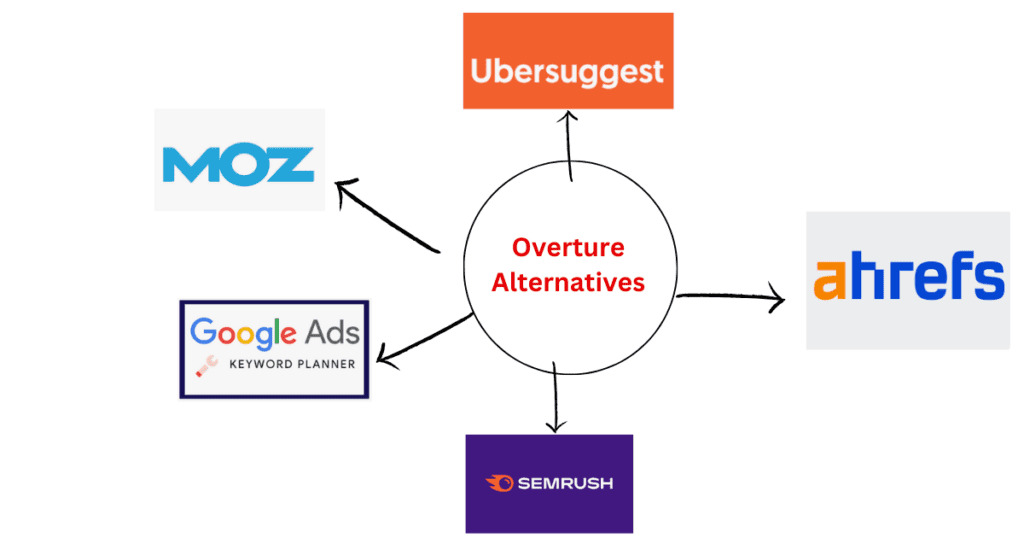
Here is the list of Alternatives to Overture:
| Tool | Data Type | Cost | Best For |
|---|---|---|---|
| Overture (historical) | Exact monthly search counts | Free | Early keyword discovery |
| Google Keyword Planner | Search volume ranges, CPC data | Free (full data requires an active Google Ads campaign) | PPC campaign planning, rough SEO volume |
| Ahrefs | Volume, keyword difficulty, SERP data, backlinks | Paid | In-depth SEO research and competitor analysis |
| SEMrush | Volume, trends, competitor keywords, content gaps | Paid | All-in-one SEO and content strategy |
| Ubersuggest | Volume, SEO difficulty, content ideas | Free tier + paid plans | Beginner-friendly keyword research |
Unlike Overture, most modern tools estimate rather than report exact search counts — a trade-off for far richer competitive and trend data.
Conclusion
Overture didn’t just launch Pay-Per-Click advertising — it gave marketers their first real, data-backed glimpse into search behavior. That free keyword tool, more than the bidding system it was attached to, quietly shaped how an entire generation of SEOs approached content and keyword targeting.
Its legacy lives on in every keyword research tool used today. Understanding where these tools came from makes it easier to use them well — and if you’re looking to apply modern keyword research to actually grow your rankings, our SEO team can help you build a strategy around it.
Featured Blogs

KGR Keyword Research Techniques: Rank Your Website in 24 Hours!
KGR Keyword research techniques help you to rank your website in the top 50 pages of Google within 24 hours....

How to Do Keyword Research for Small Business Website: Complete Guide
Keyword research is essential for every website. We are presenting you with a complete guide on how to do keyword...

James Robert
James Robert is a seasoned Off-Page SEO expert specializing in strategic link building, digital outreach, and authority growth for businesses aiming to improve search visibility and rankings. With over five years of hands-on experience, he helps brands strengthen their online presence through high-quality backlinks, niche-relevant placements, and ethical SEO practices aligned with Google’s guidelines. James’s core specialties include guest posting, blogger outreach, niche edits, brand mentions, and backlink profile optimization. He is highly skilled at building relationships with authoritative publishers and executing scalable outreach campaigns that drive long-term organic growth. As a contributor to leading marketing platforms, James regularly shares actionable insights on off-page SEO strategies, link acquisition, and sustainable ranking improvements, helping businesses achieve consistent and measurable SEO success.