
A content marketing analytics tool helps businesses measure the success of their content campaigns, understand audience behavior, and improve marketing decisions with real data. Without proper analytics, even high-quality content may fail to generate traffic, leads, or conversions because marketers cannot identify what works and what needs improvement.
These tools provide insights into website traffic, engagement, SEO performance, conversion tracking, and customer interactions.
Modern businesses rely on content marketing analytics tool platforms to optimize blogs, social media campaigns, email marketing, and SEO strategies. From tracking keyword rankings to measuring user engagement, analytics tools allow marketers to create data-driven campaigns that produce better results.
Whether managing a small business blog or a global content strategy, using the right analytics software can significantly improve marketing efficiency and return on investment.
This article explains everything about content marketing analytics and highlights the top 5 tools businesses worldwide use to monitor and improve their content performance.
What Is a Content Marketing Analytics Tool?
A content marketing analytics tool is software designed to collect, analyze, and report data related to content performance. These platforms help marketers understand how users interact with content across websites, blogs, social media platforms, and email campaigns.
The primary goal of these tools is to provide actionable insights that improve content strategies. Instead of relying on guesswork, businesses can use analytics data to make informed decisions about future content creation and promotion.
A good analytics tool tracks important metrics such as:
- Website traffic
- Page views
- Bounce rates
- Conversion rates
- Keyword rankings
- Social shares
- User engagement
- Audience demographics
- Content ROI
These insights help marketers discover which content generates the best results and where improvements are needed.
Why Businesses Need a Content Marketing Analytics Tool
Content marketing has become highly competitive. Thousands of articles, videos, and social posts are published daily, making it difficult for businesses to stand out. A content marketing analytics tool provides the data necessary to refine strategies and achieve better performance.
Businesses use analytics tools to:
Measure Campaign Performance
Analytics platforms help marketers determine whether campaigns are meeting business goals. They reveal how much traffic content generates, how users engage with it, and whether visitors convert into leads or customers.
Improve SEO Performance
SEO success depends heavily on data. Analytics tools help businesses identify top-performing keywords, monitor organic traffic, and understand user search behavior.
Understand Audience Behavior
Analytics data reveals how users interact with content, what topics interest them most, and how long they stay on pages. This information helps marketers create more relevant and engaging content.
Increase Conversion Rates
By analyzing customer journeys and engagement patterns, businesses can improve landing pages, calls-to-action, and overall content strategies to increase conversions.
Save Time and Marketing Budget
Instead of spending resources on ineffective campaigns, analytics tools help marketers focus on strategies that deliver measurable results.
Features to Look for in a Content Marketing Analytics Tool
Choosing the right tool requires understanding the features that matter most for business growth.
Real-Time Reporting
Real-time analytics allow businesses to monitor campaign performance instantly and make quick adjustments when necessary.
SEO Analytics
The tool should provide keyword tracking, backlink monitoring, organic traffic reports, and competitor analysis.
Audience Insights
Understanding user demographics, interests, locations, and behavior patterns helps create targeted marketing campaigns.
Conversion Tracking
Tracking lead generation, sales, and customer actions is essential for measuring marketing ROI.
Content Performance Analysis
A strong content marketing analytics tool should identify top-performing pages, engagement metrics, and content trends.
Integration Capabilities
Modern businesses use multiple platforms such as CRMs, social media tools, and email marketing software. Integration support improves workflow efficiency.
Top 5 Content Marketing Analytics Tool Platforms
Google Analytics
Overview
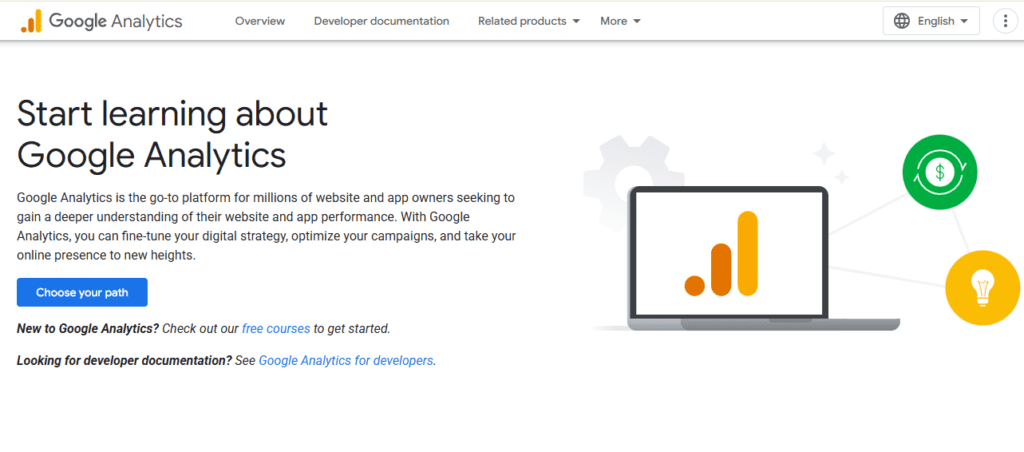
Google Analytics is one of the most widely used analytics platforms in the world. It provides comprehensive insights into website traffic, audience behavior, and content performance.
Businesses of all sizes use Google Analytics to monitor visitor activity, measure campaign effectiveness, and improve digital marketing strategies.
Key Features
- Real-time traffic monitoring
- Audience behavior analysis
- Conversion tracking
- Goal setting
- Traffic source analysis
- Mobile analytics
- Event tracking
Benefits
Google Analytics offers detailed reporting that helps marketers understand where traffic comes from and which content generates the most engagement. The platform is especially valuable for SEO and website optimization.
Best For
- Bloggers
- Small businesses
- E-commerce stores
- Enterprise marketing teams
SEMrush
Overview
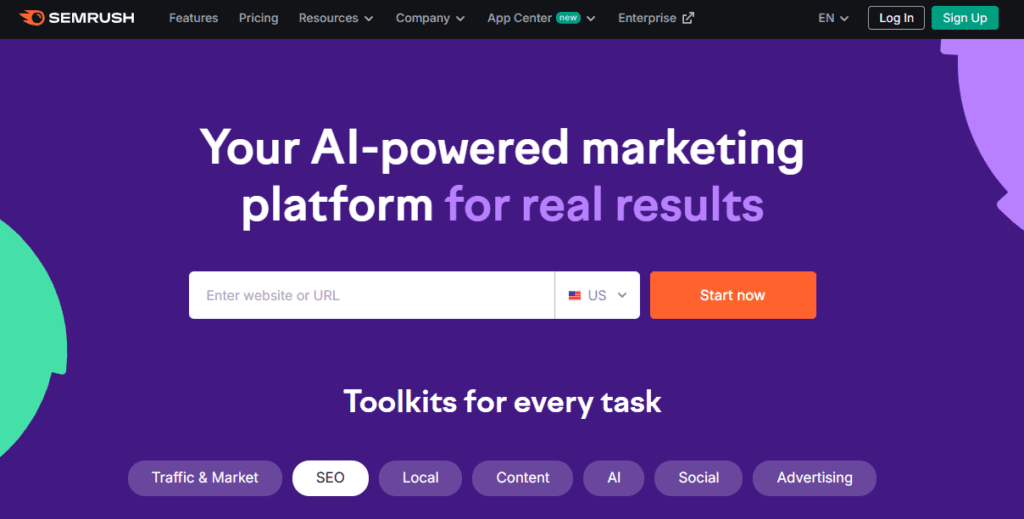
SEMrush is a powerful SEO and content marketing platform designed for keyword research, competitor analysis, and content optimization.
The platform helps businesses improve search engine rankings while monitoring content performance across multiple channels.
Key Features
- Keyword tracking
- Competitor research
- Content audit tools
- Backlink analysis
- Organic traffic insights
- Position tracking
- SEO recommendations
Benefits
SEMrush provides advanced SEO data that helps businesses create highly optimized content strategies. Marketers can identify ranking opportunities and improve visibility in search engines.
Best For
- SEO agencies
- Digital marketers
- Content strategists
- Large businesses
HubSpot
Overview
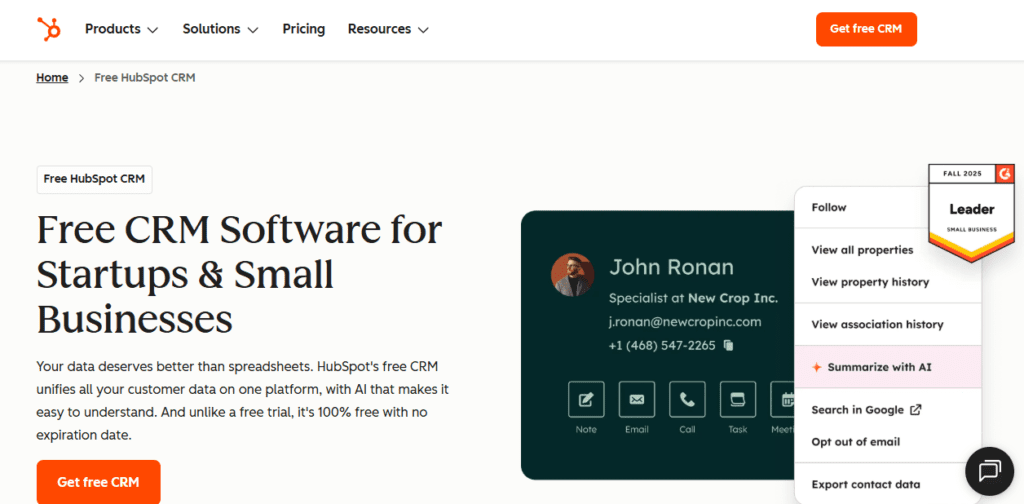
HubSpot combines CRM, marketing automation, and analytics tools into one platform. It provides valuable insights into content performance, customer behavior, and lead generation.
HubSpot is widely used for inbound marketing and customer relationship management.
Key Features
- Content performance tracking
- Lead generation analytics
- Marketing automation
- Email marketing reports
- CRM integration
- Conversion tracking
- Campaign reporting
Benefits
HubSpot allows businesses to manage the entire customer journey while analyzing content effectiveness. Its automation capabilities save time and improve marketing efficiency.
Best For
- B2B companies
- Marketing agencies
- Sales teams
- Growing businesses
Ahrefs

Overview
Ahrefs is known for its strong backlink analysis and SEO research capabilities. It helps businesses analyze content performance and improve organic search visibility.
The platform is particularly valuable for link building and competitor analysis.
Key Features
- Backlink monitoring
- Keyword explorer
- Site audits
- Rank tracking
- Competitor analysis
- Content gap analysis
- Traffic estimation
Benefits
Ahrefs provides deep SEO insights that help businesses strengthen their content strategies and improve rankings in search engines.
Best For
- SEO professionals
- Content marketers
- Link building experts
- Agencies
BuzzSumo
Overview
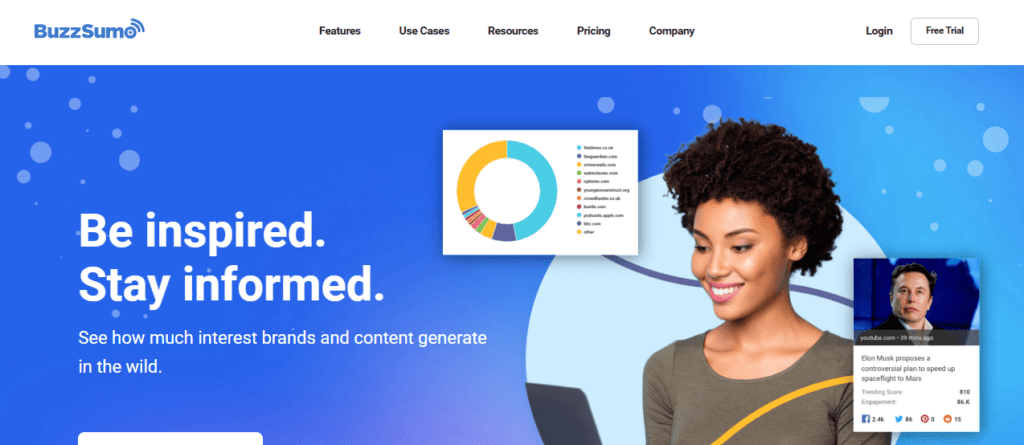
BuzzSumo focuses on content discovery and social media analytics. It helps marketers identify trending topics and analyze content engagement across different platforms.
The platform is ideal for creating viral and shareable content strategies.
Key Features
- Content discovery
- Social engagement analysis
- Influencer identification
- Trend monitoring
- Competitor content analysis
- Brand mentions
- Performance reports
Benefits
BuzzSumo helps businesses create content that resonates with audiences by identifying trends and high-performing topics.
Best For
- Social media marketers
- Content creators
- PR teams
- Influencer marketers
How to Choose the Right Content Marketing Analytics Tool
Selecting the right content marketing analytics tool depends on business goals, budget, and marketing requirements.
Define Your Objectives
Businesses should first identify what they want to measure. Some companies focus on SEO performance, while others prioritize lead generation or social engagement.
Consider Ease of Use
A tool with a complicated interface may reduce productivity. Businesses should choose software that offers simple navigation and clear reporting.
Evaluate Integration Options
The best analytics platforms integrate with CRM systems, email marketing tools, and social media platforms.
Compare Pricing
Analytics tools vary significantly in pricing. Small businesses may prefer free or affordable options, while enterprises may require advanced premium features.
Check Reporting Capabilities
Detailed and customizable reports are essential for making data-driven decisions.
Common Mistakes Businesses Make With Analytics Tools
Even with advanced software, businesses often fail to use analytics effectively.
Ignoring Data Interpretation
Collecting data is not enough. Businesses must understand what the numbers mean and how to act on them.
Tracking Too Many Metrics
Focusing on irrelevant metrics can create confusion. Companies should prioritize KPIs that directly impact business goals.
Failing to Update Strategies
Analytics should guide continuous optimization. Businesses that ignore insights may lose valuable growth opportunities.
Neglecting SEO Data
SEO metrics are essential for long-term content growth and visibility.
Future Trends in Content Marketing Analytics
The analytics industry continues evolving with new technologies and AI-driven solutions.
Artificial Intelligence and Automation
AI-powered tools now provide predictive analytics, automated reporting, and content recommendations.
Advanced Personalization
Analytics platforms are improving audience segmentation and personalized marketing strategies.
Voice Search Analytics
As voice search usage increases, analytics tools are adapting to track conversational search behavior.
Cross-Platform Tracking
Businesses increasingly require analytics solutions that monitor customer journeys across websites, apps, and social media channels.
Benefits of Using a Content Marketing Analytics Tool for SEO
SEO and analytics work together to improve digital visibility and traffic growth.
A content marketing analytics tool helps businesses:
- Identify high-performing keywords
- Improve content structure
- Analyze search intent
- Track ranking changes
- Discover backlink opportunities
- Monitor technical SEO issues
This data-driven approach improves search rankings and increases organic traffic over time.
FAQ Section
What is the best content marketing analytics tool?
The best content marketing analytics tool depends on business goals. Google Analytics is ideal for website traffic analysis, while SEMrush and Ahrefs are better for SEO-focused strategies.
Why is content analytics important?
Content analytics helps businesses measure campaign performance, understand audience behavior, and improve marketing ROI through data-driven decisions.
Is Google Analytics free?
Yes, Google Analytics offers a free version with extensive reporting features suitable for most businesses.
Which analytics tool is best for SEO?
SEMrush and Ahrefs are considered among the best tools for SEO analysis, keyword research, and backlink tracking.
Can small businesses use content marketing analytics tools?
Yes, many analytics tools offer affordable or free plans suitable for small businesses and startups.
How do analytics tools improve content marketing?
They help businesses identify successful content, optimize campaigns, improve SEO, and increase conversions using performance data.
Conclusion
A content marketing analytics tool is essential for businesses that want to improve content performance, increase traffic, and achieve better marketing results. These tools provide valuable insights into audience behavior, SEO performance, engagement, and conversions.
Platforms like Google Analytics, SEMrush, HubSpot, Ahrefs, and BuzzSumo offer powerful features that help marketers make smarter decisions and maximize ROI.
Choosing the right content marketing analytics tool depends on specific business needs, marketing objectives, and budget. By using analytics effectively, businesses can create stronger content strategies, improve SEO performance, and achieve long-term digital growth.

James Robert
James Robert is a seasoned Off-Page SEO expert specializing in strategic link building, digital outreach, and authority growth for businesses aiming to improve search visibility and rankings. With over five years of hands-on experience, he helps brands strengthen their online presence through high-quality backlinks, niche-relevant placements, and ethical SEO practices aligned with Google’s guidelines. James’s core specialties include guest posting, blogger outreach, niche edits, brand mentions, and backlink profile optimization. He is highly skilled at building relationships with authoritative publishers and executing scalable outreach campaigns that drive long-term organic growth. As a contributor to leading marketing platforms, James regularly shares actionable insights on off-page SEO strategies, link acquisition, and sustainable ranking improvements, helping businesses achieve consistent and measurable SEO success.